

Introduction to exercise physiology
(Einführung in die Sportphysiologie)
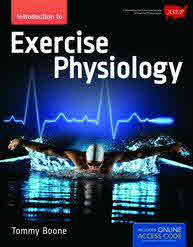
Introduction to Exercise Physiology, identifies the key scientific content that is critically important to the successful practice of exercise physiology. This text focuses on theprofession of exercise physiology by introducing students to the scientific basis for the practice of exercise physiology to prevent or control mind-body diseases, promote health and well-being, and enhance athlete performance. The goal of this text is to embrace a new paradigm of exercise physiology as a comprehensive healthcare profession and not as a one-course experience.
Introduction to Exercise Physiology is endorsed by The American Society of Exercise Physiologists (ASEP) a national non-profit professional organization committed to the advancement of exercise physiologists. The text emphasizes sound scientific content that will help exercise physiologists design appropriate exercise prescription that focuses on the public health challenges of a sedentary lifestyle. Students will learn the necessary physiologic, electrocardiographic, biomechanic, and anatomic concepts pertinent to prepare for and pass the ASEP Board Certification exam. In addition, the text enables students to understand the ethics of sports nutrition and athletic performance, by examining exercise metabolism, fuel utilization, and cardiovascular functions and adaptations from a non-performance enhancing supplement perspective. Specific physiologic calculations are presented to teach students how to monitor exercise intensity, as well as to improve the safety and credibility of client-specific test protocols, health and fitness training programs, and athletic competitions.
(information of Jones & Bartlett Learning)
Contents:
Part 1 Scientific Aspects of Exercise Physiology
Chapter 1 Regulation of Ventilation
Chapter 2 Pulmonary Ventilation
Chapter 3 Cardiovascular System
Chapter 4 Maximal Oxygen Uptake
Chapter 5 Biochemistry of Exercise
Chapter 6 Neuromuscular System
Part 2 Training the Cardiorespiratory and Muscular Systems
Chapter 7 Training the Aerobic and Anaerobic Energy
Chapter 8 Training the Muscular System
Part 3 Training and Performance
Chapter 9 Ethical Thinking and Sports Nutrition
Chapter 10 Agents to Enhance Physiologic Responses to Exercise
Part 4 Exercise Is Medicine
Chapter 11 Electrocardiography
Chapter 12 Cardiovascular Assessment and Health Profile
Chapter 13 Exercise and Health Benefits
Part 5 Exercise Biomechanics
Chapter 14 Basic Concepts in Exercise Biomechanics
Chapter 15 The Science of Levers
Chapter 16 Exercise Biomechanical Calculations
Part 6 Anatomy of Sports and Exercise
Chapter 17 Muscles of the Upper Extremity
Chapter 18 Muscles of the Lower Extremity
Chapter 19 Applied Anatomy and Human Movement
Part 7 The Profession of Exercise Physiology
Chapter 20 Introduction to Exercise Physiology
Chapter 21 Professionalization of Exercise Physiology
Chapter 22 Legal Aspects of Exercise Physiology
Chapter 23 Exercise Physiology Research
© Copyright 2014 Veröffentlicht von Jones & Bartlett Learning. Alle Rechte vorbehalten.
| Schlagworte: | |
|---|---|
| Notationen: | Biowissenschaften und Sportmedizin |
| Sprache: | Englisch |
| Veröffentlicht: |
Burlington
Jones & Bartlett Learning
2014
|
| Seiten: | 532 |
| Dokumentenarten: | Buch |
| Level: | hoch |