

Physiology and nutrition for amateur wrestling
(Physiologie und Ernährung für das Amateur-Ringen)
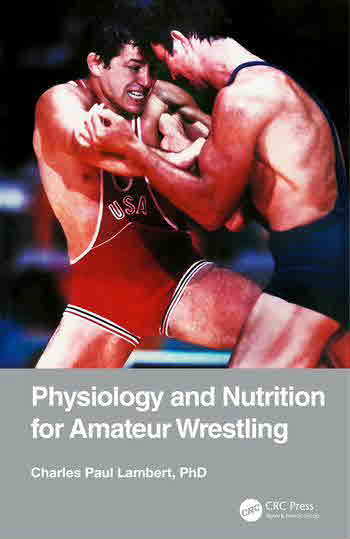
Physiology and Nutrition for Amateur Wrestling is essential reading for amateur wrestlers and their coaches with a desire to learn about physiological training and nutrition for their sport.
Written by Charles Paul Lambert, PhD, a competitive wrestler and academic expert in high-intensity exercise, this book describes the primary physiological systems involved in amateur wrestling. Readers will learn how to substantially optimize performance and discover ways to improve body composition specific to the sport of amateur wrestling.
The book addresses important issues, including relative energy deficiency in sport, debates around weight loss, the specificities of training and nutrition for female wrestlers, as well as strategies on keeping fit in the years after a competitive career.
Features:
Discusses strategies for monitoring overall training load to prevent overtraining and optimize training
Includes optimal nutritional fueling plans for wrestlers written by a Certified Coach with USA Wrestling and compares different dietary approaches to losing weight and fat
Provides optimal rehydration and refueling plans based on situational needs in the post-weigh-in period
Both scientific and practical, Physiology and Nutrition for Amateur Wrestling will appeal to wrestlers, high-school and college coaches, and those working in applied physiology research and exercise science.
Table of Contents
1. Introduction: Philosophy behind this book: Physiology and Nutrition for Amateur Wrestling
2. Positive Physiological Benefits of Wrestling
Part 1. Physiological Basis for Wrestling
3. Skeletal Muscle
4. The Nervous System
5. The Cardiovascular System
6. The Gastrointestinal Tract
7. The Endocrine System
8. Muscle Fibre Types
9. Fuel Selection During a Wrestling Match
10. Energy Systems and Biochemical Causes of Fatigue
11. Physiological Factors that allow for the attainment of "Maximal Power Output" and "Entire Match Wrestling Power Output"
12. Cardiovascular Adaptations to Endurance Exercise Training
13. Training Variables
14. Training Strategies for Wrestling
15. Periodization (Structure of weeks and months of training)
16. Physiological Assessment and Detection of Overtraining
Part 2. Nutrition for Amateur Wrestling: Fuelling the Machine
17. Amateur Wrestling Nutrition and Metabolism Primer
18. Water Balance, Electrolyte Balance, and Hydration, Hydration Testing, Body Composition Testing, and Mandated Weight Control
19. The Case against Rapid Weight Loss
20. Optimizing Physique and Body Composition and Determining the Appropriate Weight Category
21. Optimal Nutrition for Maintenance of Body Composition and for Fueling Training during the Season
22. Nutrition for a Single Match, a One Day Tournament, and a Multiple Day Tournament
23. What and how should the Wrestler Eat and Drink Post-Weigh In
24. Dietary Supplement use in Wrestlers
25. Relative Energy Deficiency in Sport
26. Special Considerations for the Female Wrestler
27. Weight Control and Physical Fitness in the Years after the Wrestler's Competitive Career
© Copyright 2021 Veröffentlicht von CRC Press. Alle Rechte vorbehalten.
| Schlagworte: |
Ringen
Klassischer Ringkampf
Freier Ringkampf
Sportphysiologie
Nervensystem
Bewegungsapparat
Herz
Kreislauf
Hormon
Muskel
Muskelphysiologie
Energiestoffwechsel
Belastung
Adaptation
Training
Übertraining
Ernährung
Flüssigkeit
Supplementierung
Gewicht
Kontrolle
weiblich
USA
Kampfsportarten
Biowissenschaften und Sportmedizin
|
|---|---|
| Notationen: | Kampfsportarten Biowissenschaften und Sportmedizin |
| Sprache: | Englisch |
| Veröffentlicht: |
Boca Raton
CRC Press
2021
|
| Online-Zugang: | https://www.routledge.com/Physiology-and-Nutrition-for-Amateur-Wrestling/Lambert/p/book/9780367370947 |
| Seiten: | 163 |
| Dokumentenarten: | Buch |
| Level: | hoch |