

The biochemical basis of sports performance
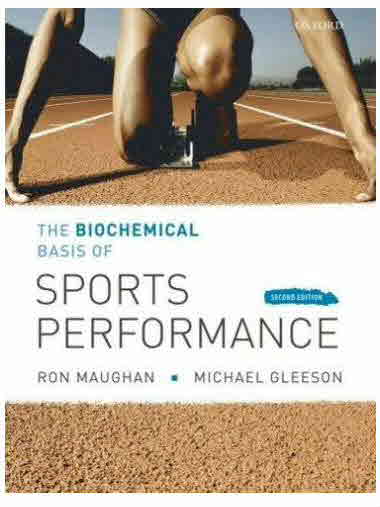
Some understanding of the biochemistry of exercise is fundamental to any study of the factors that contribute to sports performance. It is the physical, chemical and biochemical properties of cells and tissues that determine the physiological responses to exercise, and yet the teaching of exercise biochemistry is poorly developed compared with exercise physiology. Where the subject is taught, the student often finds the approach somewhat daunting, with its focus on thermodynamics, chemical structures and metabolic pathways. ... Instead of the traditional approach of working through the main classes of biomolecules and metabolic pathways, the subject is tackled by considering the biochemical processes involved in energy provision for different sports events and the way in which limitations in energy supply can cause fatigue, and thus limit performance. Recovery from exercise is important for athletes who train and compete with only a limited rest period, and the biochemical processes that influence recovery and restoration of performance capacity are also addressed. The processes fuelling the activities that contribute to sport form the core of this book, together with the changes that occur with training and the role of diet in providing the necessary fuels. But sporting talent is a rare gift, and a brief description of its hereditary basis is included.
© Copyright 2010 Published by Oxford University Press. All rights reserved.
| Subjects: |
biochemistry
performance
sport science
muscle
amino acid
proteid
energy
sprint
middle distance running
endurance
short-distance running
track and field
fatigue
sports game
talent
genetics
doping
training
adaptation
speed
strength
nutrition
sport physiology
recovery
USA
biological and medical sciences
technical and natural sciences
endurance sports
strength and speed sports
sport games
|
|---|---|
| Notations: | biological and medical sciences technical and natural sciences endurance sports strength and speed sports sport games |
| Language: | English |
| Published: |
Oxford
Oxford University Press
2010
|
| Pages: | 316 |
| Document types: | book |
| Level: | intermediate |