

Running science
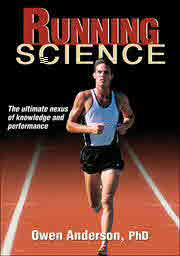
More than 50 years ago, New Zealand's Arthur Lydiard started using terms like base training, periodization, and peaking. His U.S. counterpart, Bill Bowerman, brought Lydiard's term for what until then had been called roadwork, or jogging, to the States. Soon after, the 1970s running boom started, spurred by exercise-advocating research from the growing fields of exercise science and sports medicine and from enthusiasts such as Jim Fixx,author of The Complete Book of Running. One of Bowerman's former runners at the University of Oregon, Phil Knight, saw to it that those millions of new runners had swoosh-adorning footwear designed specifically for their sport.
The pace of knowledge enhancement and innovation has, in fact, been so brisk through the years that even highly informed runners could be excused for not keeping up, but no longer. Running Science is a one-of-a-kind resource:
•An easily comprehended repository of running research.
•A wealth of insights distilled from great sport and exercise scientists, coaches, and runners.
•A do-it-right reference for a host of techniques and tactics.
•An array of the most credible and widely used training principles and programs.
•Perhaps most of all, a celebration of the latest science-based know-how of running, now truly the world's most popular sport.
Elite running coach Owen Anderson presents this comprehensive work in a compelling way for runners. A PhD and coach himself, Anderson has both a great enthusiasm for sharing what scientific studies offer the running community and a keen sense of what's really important for today's informed runners to know.
(Klappentext)
Contents:
Prologue: The Quest for Knowledge in Running
Part I Genetics and Running
Chapter 1 Running`s Nature-Versus-Nurture Debate
Chapter 2 Genes That Influence Performance
Chapter 3 Genetic Differences Between Elite and Nonelite Runners
Part II Biomechanics of Running
Chapter 4 The Body While Running
Chapter 5 Refinement in Running Form
Chapter 6 Running Surfaces, Shoes, and Orthotics
Part III Physiological Factors in Running Performance
Chapter 7 Maximal Aerobic Capacity (VO2max)
Chapter 8 Running Economy
Chapter 9 Minimum Velocity for Maximal Aerobic Capacity (vVO2max)
Chapter 10 Velocity at Lactate Threshold
Chapter 11 Maximal Running Speed
Chapter 12 Resistance to Fatigue
Part IV Training Modes and Methods for Runners
Chapter 13 General Strength Training
Chapter 14 Running-Specific Strength Training
Chapter 15 Hill Training
Chapter 16 Speed Training
Chapter 17 Cross-Training
Chapter 18 Altitude Training
Part V Training Variables and Systems in Running
Chapter 19 Volume and Frequency
Chapter 20 Intensity
Chapter 21 Recovery
Chapter 22 Periodization and Block Systems
Chapter 23 Strength Training for Endurance Runners
Part VI Optimal Training for Specific Conditioning
Chapter 24 Increasing VO2max
Chapter 25 Enhancing Economy
Chapter 26 Gaining vVO2max
Chapter 27 Upgrading Lactate Threshold
Chapter 28 Increasing Maximal Running Speed
Chapter 29 Promoting Resistance to Fatigue
Part VII Molecular Biological Changes in Running
Chapter 30 Training Effects at the Molecular Level
Chapter 31 Training Favoring Molecular Enrichment
Part VIII Distance-Specific Training
Chapter 32 Training for 800 Meters
Chapter 33 Training for 1,500 Meters and the Mile
Chapter 34 Training for 5Ks
Chapter 35 Training for 10Ks
Chapter 36 Training for Half Marathons
Chapter 37 Training for Marathons
Chapter 38 Training for Ultramarathons
Part IX Sports Medicine for Runners
Chapter 39 Running Injuries and Health Risks
Chapter 40 Prevention of Running Injuries
Chapter 41 Health Benefits of Running
Chapter 42 Health Considerations for Special Running Populations
Part X Running Nutrition
Chapter 43 Energy Sources and Fuel Use for Runners
Chapter 44 Eating for Enhanced Endurance and Speed
Chapter 45 Fueling Strategies During a Run
Chapter 46 Weight Control and Body Composition
Chapter 47 Ergogenic Aids for Running
Part XI Psychology of Running
Chapter 48 The Brain and the Experience of Fatigue
Chapter 49 Psychological Strategies for Improved Performance
Chapter 50 Addictive Aspects of Running
Epilogue: The Future of Running
References
Index
About the Author
© Copyright 2013 Published by Human Kinetics. All rights reserved.
| Subjects: |
long distance running
middle distance running
marathon running
training
genetics
performance requirement
biomechanics
sport physiology
O2-uptake
velocity
load organization
training method
strength
high-altitude training
training periodization
load volume
load frequency
load intensity
aerobic-anaerobic threshold
recovery
sports medicine
injury
prevention
nutrition
energy metobolism
fluid
ergogenic aid
weight
physique
sport psychology
running economy
USA
endurance sports
training science
|
|---|---|
| Notations: | endurance sports training science |
| Language: | English |
| Published: |
Champaign
Human Kinetics
2013
|
| Pages: | 596 |
| Document types: | book |
| Level: | advanced |